


Prescribing Testosterone in Women: Evidence‑Based Guidelines for Clinicians
Testosterone therapy is an evidence‑supported treatment for Hypoactive Sexual Desire Disorder (HSDD) in women. This clinical resource provides prescribers with guideline‑aligned principles for safe, physiologic testosterone therapy, including age‑specific reference ranges, monitoring protocols, and formulation recommendations.
Clinical Indication for Testosterone Therapy in Women
Primary Indication — Hypoactive Sexual Desire Disorder (HSDD)
Current consensus guidelines (ISSWSH, NAMS, Global Consensus) support testosterone therapy only for women with HSDD after a biopsychosocial evaluation.
Not Supported For
Fatigue
Mood enhancement
Weight loss
Cognitive improvement
General “hormone optimization”
Appropriate Candidates
Postmenopausal Women
Strongest evidence base; most clinical trials conducted in this population.
Late Reproductive-Age Premenopausal Women
Appropriate when HSDD is confirmed and modifiable contributors are excluded.
Not Appropriate
Women without HSDD
Women with untreated psychosocial contributors
Women seeking supraphysiologic or pellet‑based therapy
Baseline Evaluation
Clinical Assessment
- Confirm HSDD using validated tools
- Review medications (SSRIs, OCPs, anti‑androgens)
- Evaluate psychosocial and relationship factors
Laboratory Testing
Hormone testing does not diagnose HSDD, but is essential for safe monitoring.
Baseline labs:
- Total testosterone
- SHBG (optional)
- Estradiol, FSH/LH (if menopausal status unclear)
- Thyroid panel
- CBC
Age‑Specific Female Testosterone Reference Ranges
Recent large‑scale research (5,323 women aged 19–59) established a robust, age‑continuous reference range for female testosterone.
Key Findings
Testosterone follows a weakly skew‑Normal distribution at any age
Mean testosterone decreases linearly from ages 19–59
Variance increases with age, widening the normal range
Women with hirsutism show significantly higher levels
- Enables differentiation between physiologic and pathologic androgen levels
- Supports safer monitoring during therapy
- Provides a modern, evidence‑based framework for prescribers
Recommended Formulations
Preferred — Transdermal Testosterone
Most evidence‑supported
Allows physiologic dosing
Avoids hepatic first‑pass metabolism
Reduces supraphysiologic peaks
For clinicians who prefer customized strengths or specific dosage forms, Medrocs provides bioidentical testosterone compounding in McKinney designed for physiologic female dosing.
Dosing Principles (Guideline‑Aligned)
Physiologic Female Dosing
Female testosterone therapy uses low‑dose transdermal formulations delivering testosterone in the low‑single‑digit milligram range per day, approximately one‑tenth of the testosterone content found in FDA‑approved male transdermal products.
This range:
Aligns with evidence‑based guidelines
Helps maintain physiologic female serum levels
Reduces risk of androgenic side effects
At Medrocs the most common starting doses we see range from 1mg-5mg topically daily.
Titration
Evaluate improvement at 6–12 weeks
Adjust only if symptoms persist and serum levels remain physiologic
Do not titrate to a target number
Do not escalate above physiologic range
Monitoring Anchored to Age‑Specific Ranges
Use age‑continuous reference ranges rather than static “female norms.”
Monitoring & Follow‑Up
Clinical Monitoring
Assess at 6–12 weeks:
Desire improvement
Sexual satisfaction
Androgenic effects (acne, hirsutism, voice changes, scalp hair thinning)
Laboratory Monitoring
Total testosterone at baseline, 3 months, then every 6–12 months
Compare levels to age‑specific reference ranges
Consider periodic lipid panel and liver function tests
Discontinue If
No improvement after 6 months
Supraphysiologic testosterone levels
Significant androgenic adverse effects
Safety Profile
Evidence shows:
No serious adverse events when testosterone is used within physiologic female ranges
Long‑term safety data remain limited
Pellets and supraphysiologic dosing significantly increase risk
Emerging research suggests potential benefits for:
Genitourinary tissue integrity
Lubrication
Sexual function beyond desire
Emerging Evidence: Mood and Cognitive Effects
While testosterone therapy remains indicated only for HSDD, real-world data suggest additional benefits worth clinician awareness.
A 2024 retrospective cohort study from the Newson Health Menopause and Wellbeing Centre (UK) followed 510 peri- and postmenopausal women already on HRT who added transdermal testosterone for persistent low libido plus mood or cognitive symptoms. After 4 months:
- 47% reported improved mood; 39% reported improved cognition
- Mean mood symptom scores fell 34%; cognitive scores fell 22%
- Libido improved in 52% of women — a magnitude comparable to the mood benefit
- Largest single-symptom gains were seen in loss of interest/motivation, tearfulness, and low libido
Clinical Caveats
- This was an uncontrolled, retrospective study — findings may reflect placebo effect or concurrent HRT optimization, not testosterone alone
- Serum testosterone levels were not monitored during the study period
- Mood/cognitive benefit remains off-label; current guideline consensus (ISSWSH, NAMS, Global Consensus) supports testosterone only for HSDD
- Confirmatory randomized controlled trials are needed before mood or cognitive symptoms are treated as independent indications
How to Write a Testosterone Prescription (Texas‑Compliant)
1. Testosterone Is a Controlled Substance
Many providers forget this. In the United States, testosterone is a Schedule III controlled substance under the Controlled Substances Act.
In Texas, this means:
The prescription must include the prescriber’s DEA number
The prescription must follow all federal and state controlled‑substance rules
Refills are allowed (up to 5 within 6 months), but midlevel providers have additional limits
2. Texas‑Specific Requirements for Midlevel Prescribers (NPs & PAs)
Texas has strict rules for midlevels prescribing controlled substances:In Texas, this means:
A. Supervising Physician Information Must Be Included
Texas law requires:
- Supervising physician’s name
- Supervising physician’s DEA number
- Supervising physician’s DEA number
B. Quantity Limit
Midlevels may prescribe no more than a 90‑day supply of a Schedule III medication.
3. Writing Topical Testosterone Prescriptions Using Topiclick
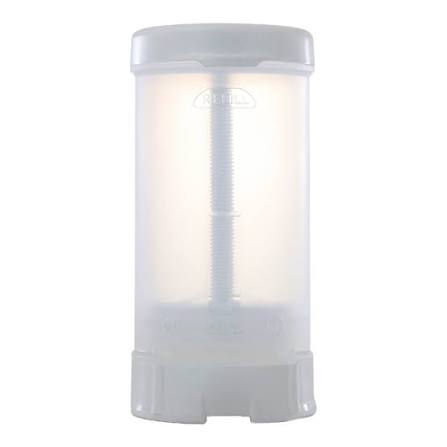
Topiclick is a metered‑dose dispenser commonly used for topical hormones. It improves accuracy, consistency, and patient adherence.
How Topiclick Works (General Educational Explanation)
- Each click dispenses a fixed amount of cream
- Most Topiclick devices dispense 0.25 mL (≈0.25 g) per click
- Prescribers choose a concentration (mg/mL or mg/g)
- The number of clicks determines the total daily amount delivered
Prevents dosing errors
Eliminates “pea‑sized amount” instructions
Supports physiologic dosing
Allows precise titration
Works for both compounded and commercial testosterone products
How Prescribers Typically Structure Directions (Educational Only)
Prescribers specify:
The concentration (e.g., mg/mL or mg/g)
The number of metered clicks per day
The application site (e.g., topically to inner thigh, inner arm, hair free skin, etc.)
This keeps dosing consistent and measurable.
Frequently Asked Questions
What is the normal testosterone range for women?
Is testosterone safe for women?
Can premenopausal women use testosterone?
What is the best testosterone formulation for women?
How long does testosterone take to work?
References
Islam RM, Bell RJ, Green S, Page MJ, Davis SR. Global Consensus Position Statement on the Use of Testosterone Therapy for Women. Climacteric. 2019;22(5):429–434.
Faubion SS, et al. The 2020 ISSWSH Clinical Practice Guideline for the Use of Systemic Testosterone for Hypoactive Sexual Desire Disorder in Women. J Sex Med. 2020;17(10):1781–1800.
North American Menopause Society (NAMS). Practice Pearl: Testosterone Therapy for Women. NAMS; 2020.
Davis SR, Baber R. Testosterone Therapy in Women: A Review of Safety and Efficacy. Menopause. 2019;26(9):1039–1049.
Islam RM, Bell RJ, Davis SR. Androgen Physiology in Women and the Role of Testosterone Therapy. Lancet Diabetes Endocrinol. 2019;7(8):693–702.
Wainwright, E., Getreu, N., Crawford, L. et al. Redefining testosterone reference ranges for adult females. J Endocrinol Invest 49, 2339–2349 (2026). https://doi.org/10.1007/s40618-026-02929-w
American College of Obstetricians and Gynecologists (ACOG). Female Sexual Dysfunction: Clinical Management. ACOG Practice Bulletin.
Texas Medical Board. Texas Administrative Code §193 & §222 — Delegation and Prescriptive Authority.
Drug Enforcement Administration (DEA). Controlled Substances Act — Schedule III Regulations.
Glynne S, Kamal A, Kamel AM, Reisel D, Newson L. Effect of transdermal testosterone therapy on mood and cognitive symptoms in peri- and postmenopausal women: a pilot study. Arch Womens Ment Health. 2025;28(3):541–550.