


Peptides sound fancy, right? They’re tiny pieces of protein that help your body do important jobs. Some help with healing. Some help with hormones. Some even help with energy. Pretty cool!
But here’s the tricky part. Many peptides sold online come from the gray market. That means they’re not checked for safety. They’re not approved for people. And you don’t really know what’s inside the bottle.
At Medrocs Pharmacy, we care about keeping McKinney families safe. So let’s break this down in a simple, friendly way.
What are Peptides?
Peptides are tiny chains of amino acids. Your body already makes lots of them. Some are used in real medicines, like insulin. But many trendy peptides you see online are not FDA‑approved and come with big risks.
What Is the Gray Market?
The gray market is a place where sellers offer peptides labeled “for research only.” That label lets them skip safety checks. These products may be contaminated, mislabeled, or totally different from what the package says.
Some companies even fake lab reports. And some peptides sold in stores or online have been linked to serious side effects.
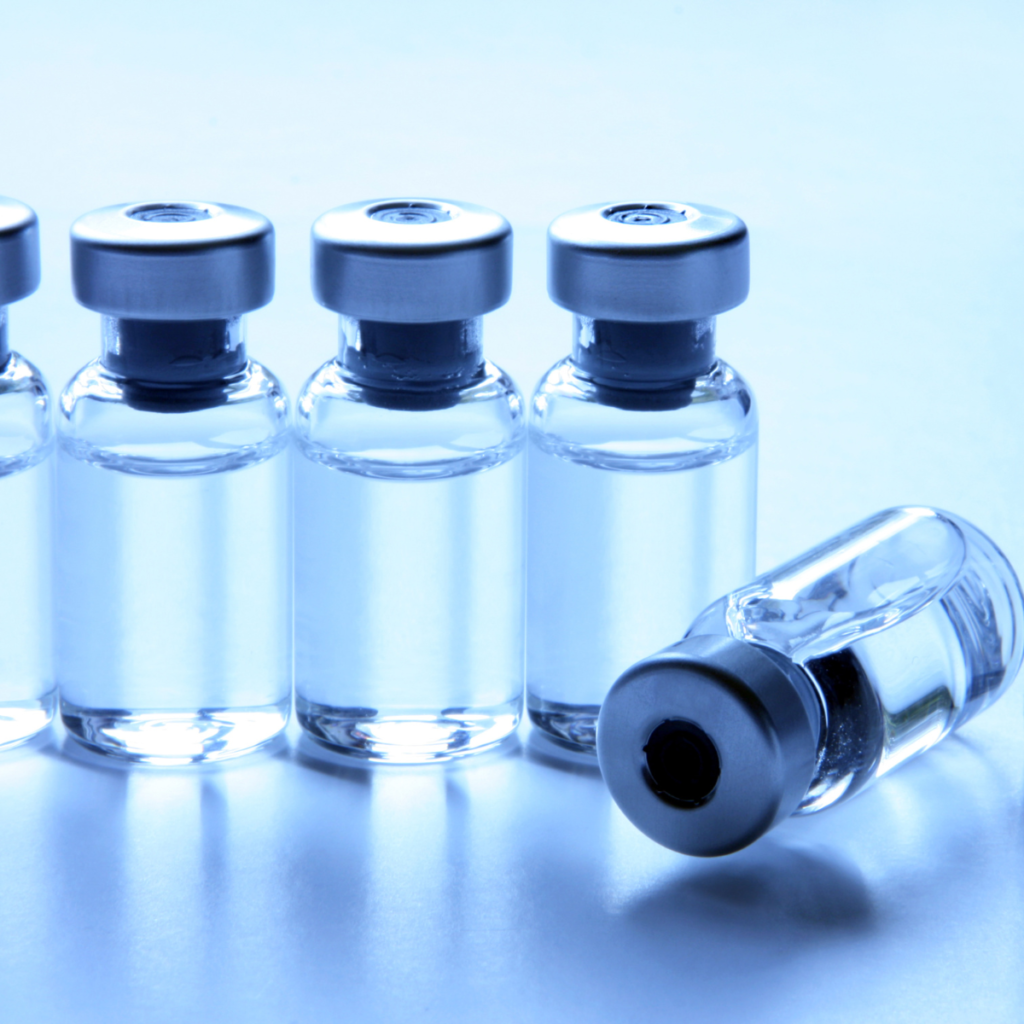
Why This Matters
Here’s the biggest worry with gray‑market peptides. It’s not just that safety in humans is still unknown. It’s that you can’t trust what you’ve actually been sold.
A bottle might say it has one peptide… but lab tests often show something totally different. Some products have no active peptide at all. Some have the wrong one. Some are contaminated. And some are mixed with fillers that no one checks for safety.
So the danger starts before you even think about how a peptide works in the body. The danger is that the product itself may not be real, clean, or honest.
Why Pharmacies Can’t Compound Most Peptides Right Now
Here’s something many people don’t know. Pharmacies are not allowed to compound many of the “hot” peptides you see online. Even if a pharmacy wants to make them safely, the rules don’t allow it yet.
This doesn’t mean peptides are safe. But it does mean the system is trying to protect people from unsafe products.
Change May Be Coming
Recently, the PCAC (Pharmacy Compounding Advisory Committee) met to review peptide rules. Many experts spoke up and asked for clearer, safer pathways for pharmacies to compound certain peptides in the future.
If these rules change, it could help create a safer environment for consumers. Instead of buying mystery products online, people could get peptides from licensed pharmacies that follow strict safety standards.
Again, this doesn’t make peptides magically safe. But it does help build a safer, more trusted system for consumers.
A Safer Path Forward
If you’re curious about peptides, talk with a licensed healthcare provider. Some peptides are used in real medicine, but only when they’re made safely and prescribed correctly.
At Medrocs Pharmacy, we’re here to help you understand what’s safe, what’s not, and how to make the best decision for yourself.